CH-Bioforce announces new scientific findings highlighting the antimicrobial potential of its high-purity lignin material LIGNENSE®, produced using the company’s patented BIOFORSENSE® fractionation technology. Recent microbiological studies and third-party preservative challenge testing conducted according to Eur. Pharmacopoeia 5.1.3 demonstrate that aqueous-based lignins derived from biomass side streams exhibit broad antimicrobial activity against viruses and bacteria, including in cosmetic formulations.
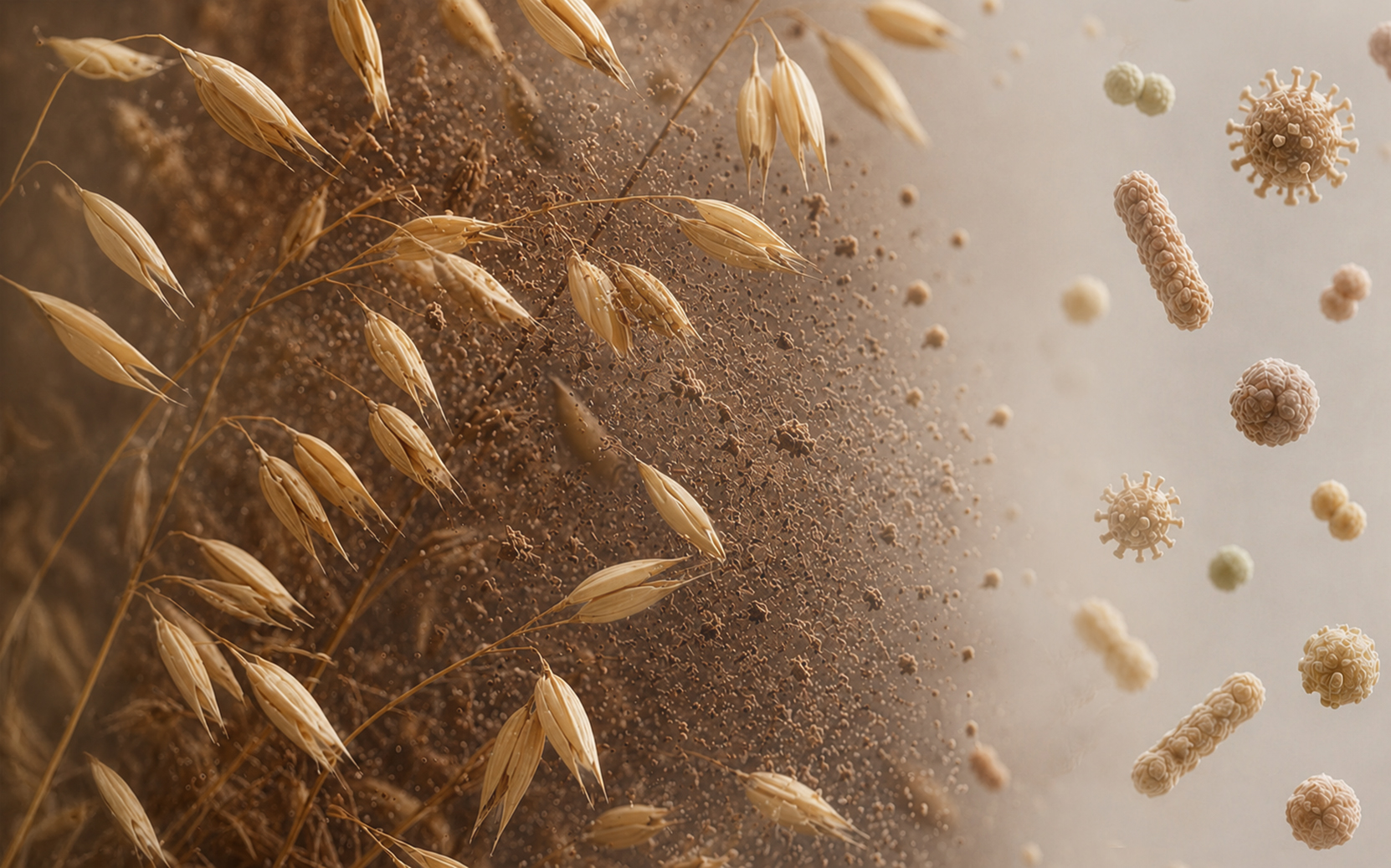
The results, published in the peer-reviewed journal International Journal of Biological Macromolecules, show that lignins derived from birch, wheat and oat biomass can significantly inhibit microbial activity through multiple mechanisms.
Key microbiological findings
The study demonstrated that aqueous lignin solutions exhibit broad-spectrum antimicrobial activity, acting directly on microbial structures and limiting their ability to infect host cells or proliferate.
Key findings include:
- Antiviral activity
Lignins showed strong activity against both enveloped and non-enveloped viruses. The treatment stabilised enterovirus structures, preventing genome release and viral replication, while disrupting coronavirus particles and reducing their ability to enter host cells.
- Antibacterial effects
All tested lignins significantly delayed the growth of Gram-positive Staphylococcus aureus and reduced population density of Gram-negative Escherichia coli.
- Direct microbial interaction
Imaging techniques revealed structural changes in viral particles and bacterial cell membranes, suggesting that lignin acts directly on microbial integrity and functionality.
In addition to the academic microbiological findings, third-party preservative challenge testing conducted with an industry partner according to Eur. Pharmacopoeia 5.1.3 indicated that LIGNENSE® may support preservation systems in cosmetic formulations. Depending on the formulation, preservative load reductions of at least 25% — and in some cases significantly higher — were observed while maintaining antimicrobial performance.
These findings confirm that high-purity lignin fractions can function as natural antimicrobial agents, opening new possibilities for bio-based protective materials.
From biomass side streams to functional antimicrobial materials
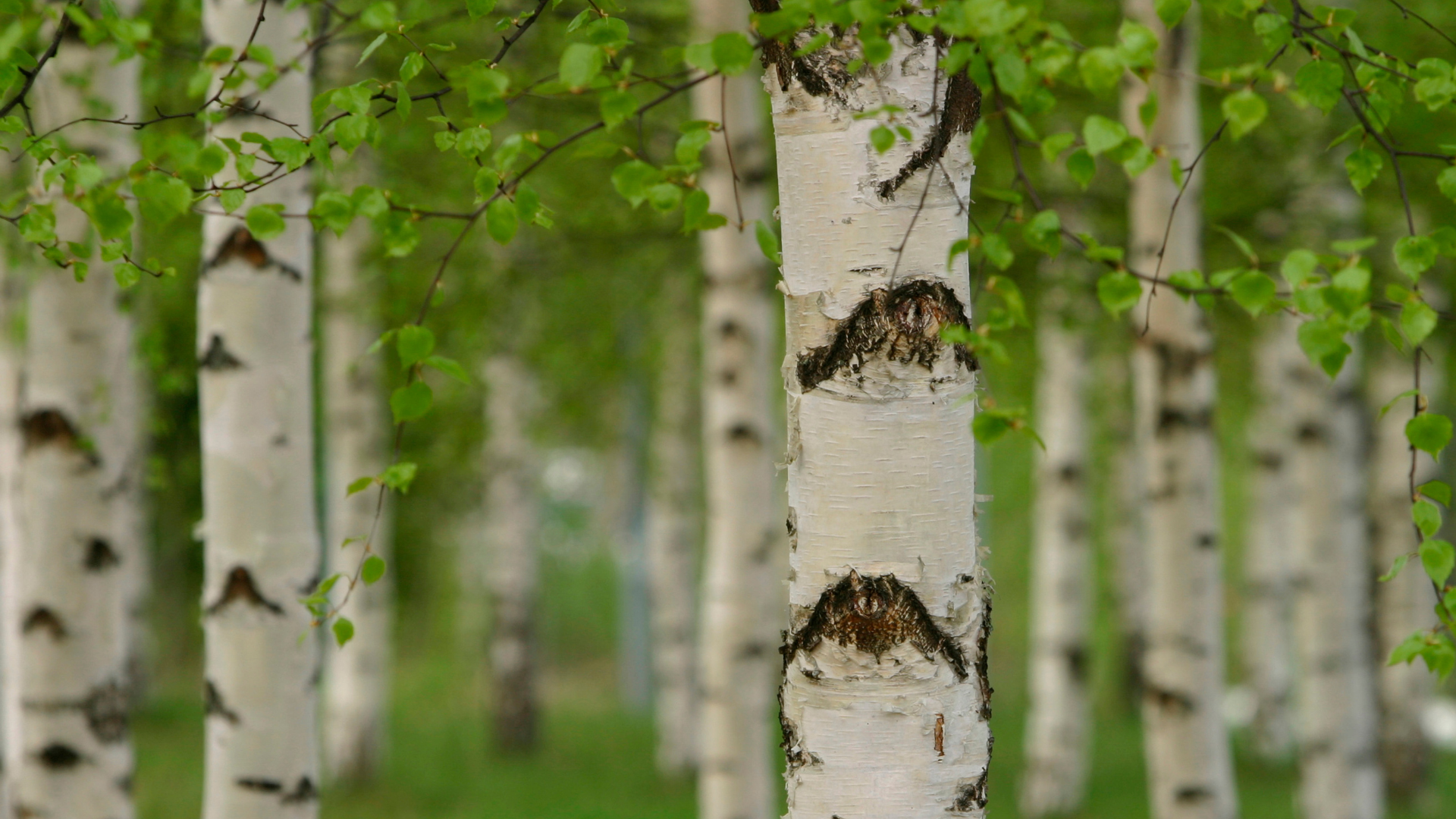
The lignins studied were produced from birch chips, wheat straw and oat husks, using CH-Bioforce’s patented BIOFORSENSE® technology, which fractionates biomass into high-purity biopolymers including cellulose, hemicellulose and lignin.
The resulting lignins can reach purity levels up to 99% with minimal carbohydrate contamination, which is considered an important factor contributing to consistent antimicrobial performance.
Unlike many conventional antimicrobial solutions that rely on synthetic chemicals or metal-based additives, lignin offers a bio-based alternative derived from renewable biomass side streams.
Potential applications
The antimicrobial properties of lignin open new opportunities for sustainable functional materials and cosmetic applications, including:
- Antimicrobial coatings for public and medical surfaces
- Safer food packaging materials
- Healthcare, hygiene and cosmetic products
- Functional textiles and materials with microbial protection
By harnessing lignin’s natural protective chemistry, CH-Bioforce is helping develop new bio-based solutions for microbial control that combine performance with sustainability.
Advancing the science of lignin-based biomaterials
The findings contribute to the growing scientific understanding of lignin as a functional biomaterial rather than simply a by-product of biomass processing. The study highlights how structure, purity and biomass origin influence antimicrobial efficacy, providing valuable insights for future material development.
Through continued research and collaboration with academic and industrial partners, CH-Bioforce aims to expand the application potential of LIGNENSE® in advanced materials and bio-based chemical solutions.